Intermittent Fasting for Weight Loss: Complete Guide (Benefits, Risks & Results)
If you’ve been researching weight loss strategies, chances are you’ve come across intermittent fasting — and for good reason. Over the past decade, it has become one of the most studied, most discussed, and most practiced dietary approaches in the world. But with so much information online, it can be hard to separate fact from hype.
Intermittent fasting for weight loss isn’t a magic solution, and it isn’t right for everyone. What it is, however, is a well-researched eating pattern that works with your body’s natural rhythms to reduce calorie intake, regulate hunger hormones, and — for many people — make weight management significantly more sustainable than traditional calorie-counting diets.
In this complete guide, you’ll learn exactly how intermittent fasting works, which methods are most effective, what kind of results you can realistically expect, who should approach it with caution, and how to start safely. Whether you’re a complete beginner or someone who’s tried fasting before and struggled, this resource is designed to give you an honest, evidence-informed foundation.
We’ll cover the science without the jargon, the benefits without the exaggerated claims, and the risks without the fear-mongering. By the end, you’ll have everything you need to decide whether intermittent fasting belongs in your weight loss plan.
Expert Insight: Intermittent fasting is not a diet in the traditional sense — it doesn’t prescribe what you eat, only when you eat. This distinction matters because it means it can be combined with virtually any eating style, from Mediterranean to low-carb.
What Is Intermittent Fasting?
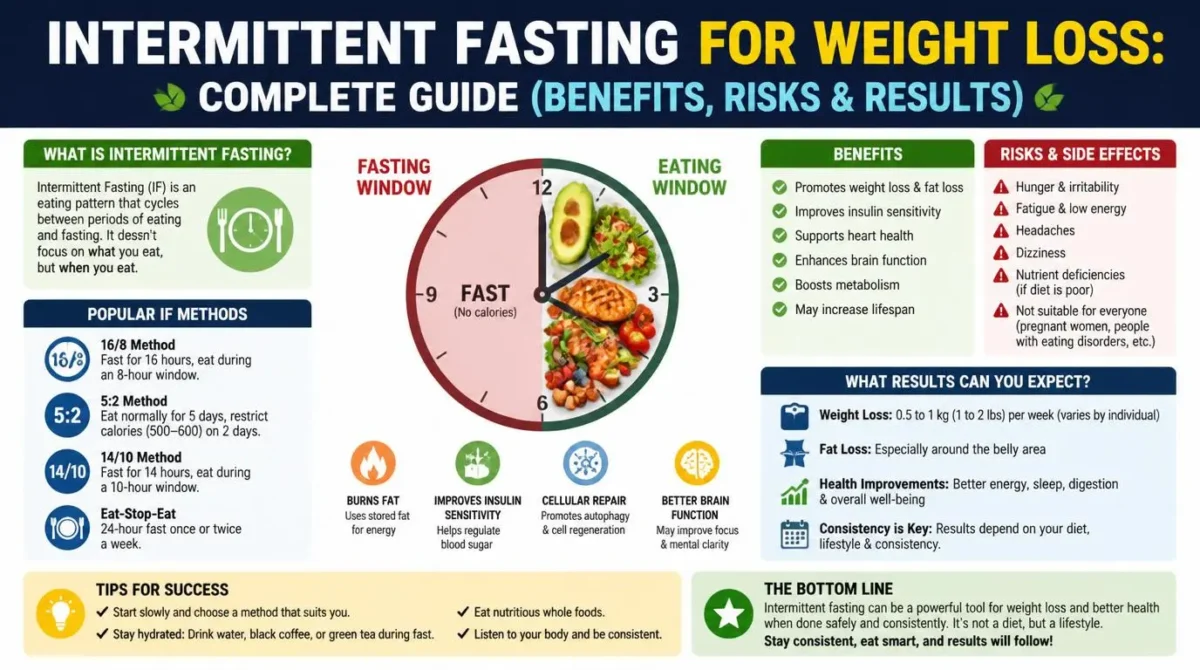
Intermittent fasting (IF) is an umbrella term for eating patterns that cycle between defined periods of eating and fasting. Unlike conventional diets, it doesn’t focus primarily on restricting specific foods or macronutrients — instead, it structures when you consume calories.
The human body has always experienced periods without food. Before the modern era of constant food availability, fasting was a natural part of daily life. Intermittent fasting essentially reimplements that rhythm in a controlled, intentional way.
During a fasting window, you consume no calories (though water, black coffee, and plain tea are typically allowed). During the eating window, you eat your regular meals — ideally nutritious, balanced ones.
Why the Timing Matters
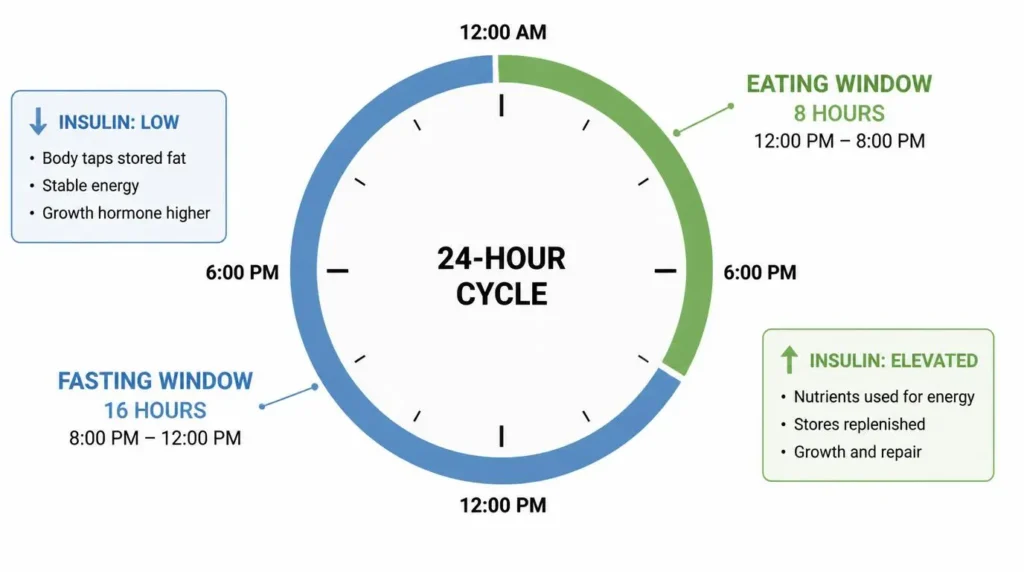
When you eat, your body releases insulin to process incoming glucose. Insulin signals cells to store energy, including fat. When you fast, insulin levels drop, and your body gradually shifts toward burning stored fat for fuel. This metabolic switch is a core reason why fasting windows, even modest ones, can support fat loss over time.
Additionally, fasting periods give your digestive system a rest, allow cellular repair processes (called autophagy) to activate, and can help recalibrate hunger signals — many people find that consistent fasting actually reduces appetite over time, rather than increasing it.
The Most Popular Intermittent Fasting Methods
Not all intermittent fasting approaches are the same. The right method depends on your schedule, lifestyle, health status, and personal preferences. Here are the most widely used protocols:
16:8 Method (The Most Popular)
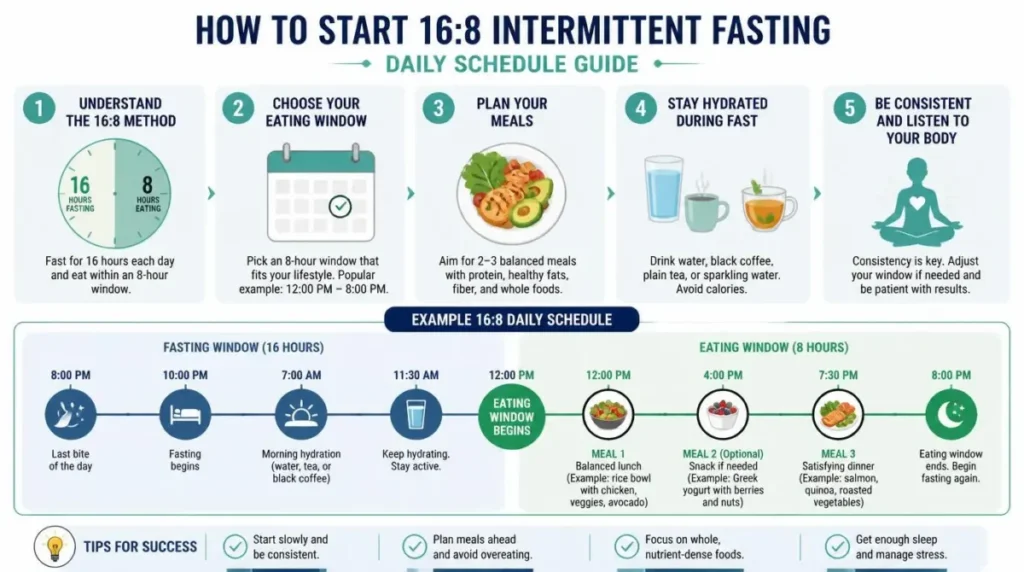
You fast for 16 hours and eat within an 8-hour window. A common approach is eating between 12:00 PM and 8:00 PM, skipping breakfast, and breaking your fast at noon.
This is the most beginner-friendly method because much of the fasting window is spent sleeping. It’s sustainable for most people and fits easily into a normal workday.
5:2 Method
You eat normally five days per week and significantly restrict calories — typically to around 500–600 calories — on two non-consecutive days. It offers flexibility since you aren’t fasting every day.
OMAD (One Meal a Day)
An advanced approach where you eat all your daily calories in one sitting, fasting for approximately 23 hours. This is effective for some people but is not recommended for beginners and can be difficult to maintain nutritionally.
Alternate Day Fasting
You alternate between regular eating days and full or partial fasting days. Research suggests it can be effective for weight loss, but many people find it difficult to sustain long-term.
14:10 Method
A gentler version of 16:8, with a 14-hour fast and 10-hour eating window. A good starting point for people new to fasting or those who find 16:8 too restrictive initially.
| Method | Fasting Hours | Best For | Difficulty |
|---|---|---|---|
| 14:10 | 14 hrs | Beginners | Low |
| 16:8 | 16 hrs | Most adults | Moderate |
| 5:2 | 2 restricted days/week | Flexible schedules | Moderate |
| Alternate Day | Every other day | Advanced practitioners | High |
| OMAD | ~23 hrs | Experienced fasters | Very High |
How Intermittent Fasting Supports Weight Loss
The primary reason intermittent fasting helps with weight loss comes down to a few interconnected mechanisms:
Calorie Reduction Without Counting
By limiting your eating to a defined window, most people naturally eat fewer calories — not because they’re restricting specific foods, but simply because there’s less time to eat. Studies consistently show that people following 16:8 fasting consume fewer daily calories on average without deliberate restriction.
Hormonal Regulation
Fasting influences several hormones relevant to weight management:
- Insulin: Levels drop during fasting, facilitating fat burning
- Norepinephrine: Increases during fasting, boosting metabolic rate
- Human Growth Hormone (HGH): Can increase significantly during fasting periods, supporting fat metabolism and muscle preservation
- Ghrelin: The hunger hormone, which many people find stabilizes after adapting to a fasting schedule
Metabolic Flexibility
Regular fasting trains the body to switch more efficiently between burning glucose (from food) and burning fat (from stores). This metabolic flexibility is associated not only with weight loss but with better long-term energy levels and metabolic health.
Best Practice: Don’t judge intermittent fasting by your first two weeks. The adaptation period — during which you may feel hungrier or more tired — typically lasts 1–3 weeks. Results, both physical and hormonal, tend to become clearer after the body adjusts.
What Results Can You Realistically Expect?
This is one of the most important sections of this guide, because unrealistic expectations are a major reason people abandon intermittent fasting too soon — or feel disappointed even when it’s working.
Weight Loss Rate
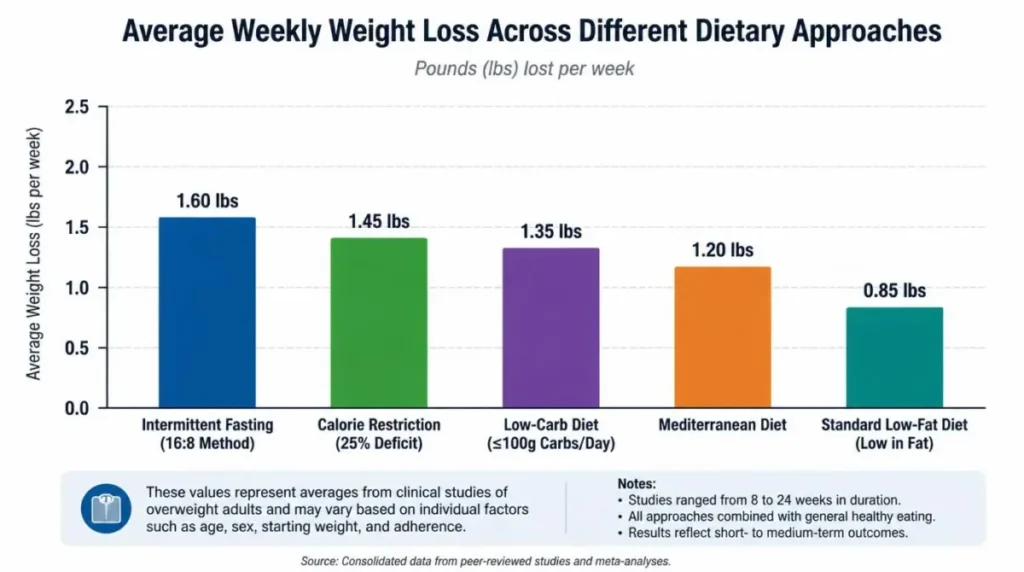
Research on intermittent fasting shows average weight loss results that are comparable to, but not dramatically superior to, continuous calorie restriction. In practice:
- Most people lose 0.5–1.5 lbs per week in the early weeks
- Results slow after the first 1–2 months as the body adjusts
- Long-term results (over 6–12 months) are similar to other structured dietary approaches when adherence is consistent
According to research reviewed by institutions including the National Institutes of Health (NIH), intermittent fasting produces meaningful weight loss in overweight and obese adults, with some studies showing 3–8% reductions in body weight over 3–24 weeks.
Fat Loss vs. Muscle Loss
A common concern is whether fasting causes muscle loss. Evidence suggests that with adequate protein intake and resistance training, muscle mass is generally preserved during intermittent fasting. The combination of fasting with strength training may even support body recomposition — losing fat while maintaining or building lean mass.
Individual Variability
Results vary significantly based on:
- Starting weight and metabolic health
- What you eat during your eating window
- Sleep quality and stress levels
- Physical activity
- Hormonal factors (particularly for women — see the risks section)
Important: Intermittent fasting is not a guaranteed path to weight loss. If you consistently overeat during your eating window, or if your diet is high in ultra-processed foods, fasting windows alone will not produce meaningful fat loss.
Health Benefits Beyond Weight Loss
While weight loss is the primary motivation for most people exploring intermittent fasting, research points to a broader range of potential health benefits:
- Improved insulin sensitivity: Fasting has been shown to reduce fasting blood glucose and improve insulin response, particularly relevant for people at risk of type 2 diabetes
- Reduced inflammation markers: Some studies show decreases in inflammatory biomarkers after sustained fasting practice
- Cardiovascular health indicators: Improvements in blood pressure, LDL cholesterol, and triglycerides have been observed in several trials
- Cognitive function: Animal studies show promising effects on brain health; human research is ongoing
- Cellular autophagy: During fasting, the body activates cellular “housekeeping” processes that may support long-term health
Expert Insight: The metabolic benefits of intermittent fasting extend beyond the scale. Many practitioners report improved energy consistency throughout the day, reduced brain fog, and better hunger regulation after a 3–4 week adaptation period.
It’s important to note that while these findings are promising, most research is still in early stages or based on relatively short-term studies. Organizations like the Mayo Clinic and Harvard Health acknowledge the potential while calling for more long-term human trials before drawing definitive conclusions.
Who Should Be Cautious About Intermittent Fasting
Intermittent fasting is not appropriate for everyone. The following groups should consult a healthcare provider before starting any fasting protocol:
- Pregnant or breastfeeding women: Calorie and nutrient needs are elevated; fasting is not recommended
- People with a history of eating disorders: Restrictive eating patterns can trigger or exacerbate disordered eating behaviors
- Individuals with type 1 diabetes or those on insulin medications: Fasting requires careful medical supervision to avoid dangerous blood sugar fluctuations
- Children and teenagers: Still in growth phases that require consistent nutrition
- People who are underweight or malnourished
- Anyone with a chronic medical condition or taking prescription medications
A Note on Women’s Hormones
Some research and anecdotal evidence suggest that extended fasting (particularly 18+ hours) may affect cortisol and reproductive hormones in some women, potentially disrupting menstrual cycles. Women who are sensitive to hormonal changes may do better with gentler protocols like 14:10 or 5:2 rather than aggressive daily fasting.
Important: If you experience persistent fatigue, hair loss, irregular periods, extreme hunger, or mood disturbances while fasting, these are signals to reassess your protocol with a healthcare provider.
How to Start Intermittent Fasting Safely
If you’ve determined that intermittent fasting is appropriate for you, here is a practical step-by-step approach to getting started:
- Choose your method wisely. Start with 14:10 or 16:8 — the most studied and accessible approaches. Don’t begin with OMAD or aggressive protocols.
- Set a consistent eating window. Consistency matters more than the exact hours you choose. Align your window with your natural lifestyle — if you prefer mornings, try an earlier window (8 AM–4 PM). If evenings work better, try noon–8 PM.
- Stay hydrated during fasting hours. Water, plain sparkling water, black coffee, and unsweetened herbal teas are allowed and important. Dehydration is a common cause of fasting side effects.
- Prioritize protein and whole foods in your eating window. Fasting doesn’t give you a pass on nutrition quality. Aim for lean proteins, vegetables, healthy fats, and complex carbohydrates.
- Give it at least 3–4 weeks before evaluating. The first 1–2 weeks involve an adaptation period. Don’t judge the protocol by early discomfort.
- Track your progress beyond the scale. Measure energy levels, sleep quality, hunger patterns, and body measurements, not just weight.
- Adjust based on how you feel. If a stricter protocol causes significant distress, shorten the fasting window. There is no single “correct” version of intermittent fasting.
Common Mistakes That Undermine Results
Many people try intermittent fasting and see disappointing results — not because the approach doesn’t work, but because of avoidable errors:
- Overeating during the eating window: Eating back all saved calories (and more) eliminates the deficit that drives fat loss
- Poor food quality: Fasting doesn’t compensate for a diet high in ultra-processed foods, sugar, and refined carbs
- Breaking the fast with high-sugar foods: Spiking insulin immediately after a fast can negate some hormonal benefits
- Not getting enough protein: Insufficient protein during eating windows increases the risk of muscle loss
- Giving up during the adaptation phase: Weeks one and two are the hardest; most people who quit do so before seeing real results
- Using fasting to justify unhealthy eating: Intermittent fasting works best as part of an overall healthy lifestyle, not as an offset for poor habits
Intermittent Fasting and Exercise
Combining intermittent fasting with a regular exercise routine can enhance fat loss outcomes, but requires some thought about timing:
Fasted Workouts
Some people prefer exercising in a fasted state (typically morning workouts before breaking the fast), which may slightly increase fat oxidation during exercise. However, performance in high-intensity workouts may be reduced.
Fed Workouts
Eating before exercise supports performance, particularly for strength training and high-intensity cardio. If maintaining muscle mass is a priority, training in a fed state — or ensuring protein intake around workouts — is generally advisable.
Practical Recommendation
For most beginners, the timing of workouts relative to fasting is far less important than consistency. Focus on building a reliable exercise habit first; fine-tune workout timing once your fasting routine feels natural.
Is Intermittent Fasting Right for You? Who Benefits Most
Intermittent fasting tends to work best for:
- Adults who struggle with continuous calorie counting and prefer a structural approach to eating
- People who are not hungry in the mornings and naturally skip or delay breakfast
- Individuals with relatively stable schedules who can maintain a consistent eating window
- Those who want a flexible approach that doesn’t restrict specific foods
- People looking for modest improvements in metabolic health markers alongside weight loss
It may be less effective for:
- People with highly variable schedules (shift workers, frequent travelers)
- Those who need to eat frequently due to medication requirements
- Individuals with high-performance athletic demands that require consistent fueling
Medical Disclaimer
This article is for informational and educational purposes only and should not be considered medical advice. Always consult a qualified healthcare professional before making changes to your diet, exercise routine, or supplement regimen. Individual results from intermittent fasting vary significantly based on health status, lifestyle, and adherence.
Conclusion
Intermittent fasting is one of the most accessible, flexible, and well-researched tools available for weight loss and metabolic health. It won’t work miracles, and it isn’t the right fit for everyone — but for many adults, it offers a sustainable, practical framework for reducing calorie intake and improving their relationship with food.
The key takeaways from this guide are straightforward: start with a manageable method like 16:8, give your body 3–4 weeks to adapt, prioritize food quality during your eating window, stay hydrated, and track more than just the number on the scale. Progress in energy, hunger control, and body composition often precedes visible scale changes.
If you’re ready to try intermittent fasting, approach it as a long-term lifestyle adjustment rather than a short-term fix. The best eating pattern is ultimately one you can maintain consistently — and for a significant number of people, intermittent fasting becomes exactly that.
Bookmark this guide to revisit as you move through different phases of your journey, and explore additional resources on Smart Weight Report Team for more science-backed, practical guidance on achieving your health goals.
Frequently Asked Questions – Intermittent Fasting for Weight Loss
How long does it take to see results with intermittent fasting?
Most people begin noticing changes in hunger patterns and energy within the first 2–3 weeks, which is the adaptation phase. Measurable weight loss typically becomes visible after 4–6 weeks of consistent practice. Significant results — such as losing 10 or more pounds — generally require 2–3 months of sustained adherence. Results vary considerably based on what you eat during your window, your activity level, starting weight, and metabolic health. Patience through the early weeks is the single most important factor in long-term success.
Can I drink coffee while intermittent fasting?
Yes — black coffee is widely considered acceptable during fasting windows and does not meaningfully break a fast. It contains virtually no calories and may actually support fasting goals by modestly suppressing appetite and slightly increasing metabolic rate. However, coffee with milk, cream, sugar, or sweetened creamers does contain calories and could break a fast depending on the amount consumed. Plain herbal teas and water are also safe. Avoid flavored lattes or caloric beverages during your fasting hours.
Will intermittent fasting cause muscle loss?
When done correctly, intermittent fasting does not cause significant muscle loss. The keys to preserving muscle are: consuming adequate protein during your eating window (generally 0.7–1g per pound of body weight), engaging in regular resistance training, and not running an excessively large calorie deficit. Research suggests that intermittent fasting can actually be more muscle-sparing than continuous calorie restriction, likely due to the increase in human growth hormone that occurs during fasting periods. Very extended fasts or severe calorie restriction combined with fasting increase muscle loss risk.
Is intermittent fasting safe for women?
Intermittent fasting is safe for most women, but some research and clinical experience suggests that women may be more sensitive to hormonal disruptions from aggressive fasting protocols. Women who notice irregular menstrual cycles, extreme fatigue, or mood changes should consider shorter fasting windows (14:10 rather than 16:8 or longer). Pregnant and breastfeeding women should not fast. Women with a history of hormonal conditions or eating disorders should consult their doctor before starting any fasting protocol.
Do I have to skip breakfast with intermittent fasting?
No — skipping breakfast is just one common implementation of 16:8. You can set your eating window at any time that works for your schedule. Some people eat from 7 AM to 3 PM, others from 10 AM to 6 PM, others from noon to 8 PM. The 16-hour fasting window is what matters, not which specific meals you skip. Choose a window that fits naturally with your lifestyle and social eating patterns for the best long-term adherence.
How many calories should I eat during my eating window?
Intermittent fasting doesn’t prescribe a specific calorie target, but for weight loss, you still need to be in a calorie deficit overall. Most people find they naturally eat less just by having a smaller eating window, but this isn’t guaranteed. A moderate deficit of 300–500 calories below your maintenance level is generally sustainable and effective. Eating extremely low calories (under 1,000–1,200 for most adults) combined with fasting can be counterproductive, leading to fatigue, muscle loss, and metabolic adaptation.
Can I do intermittent fasting if I have diabetes?
People with type 2 diabetes may benefit from intermittent fasting under medical supervision, as it can improve insulin sensitivity and blood glucose control. However, those on insulin or blood sugar–lowering medications face real risks of hypoglycemia during fasting periods. Anyone with any form of diabetes should only start intermittent fasting with explicit guidance from their endocrinologist or physician, with regular blood sugar monitoring. Type 1 diabetes requires particularly careful medical management around any dietary change.
What happens if I accidentally break my fast early?
Nothing catastrophic. If you eat outside your planned fasting window — whether from hunger, a social situation, or simply forgetting — the best response is to resume your normal schedule at the next eating window rather than trying to compensate with a longer fast. Occasional deviations don’t erase progress. What matters for weight loss and metabolic health is the overall pattern over weeks and months, not perfect adherence on any single day. Intermittent fasting works best when approached flexibly, not as an all-or-nothing commitment.